Most people focus on the installation itself. But the structure of commercial installation teams often determines how smoothly projects actually run.
On most commercial installation projects, there are typically three key roles on-site:
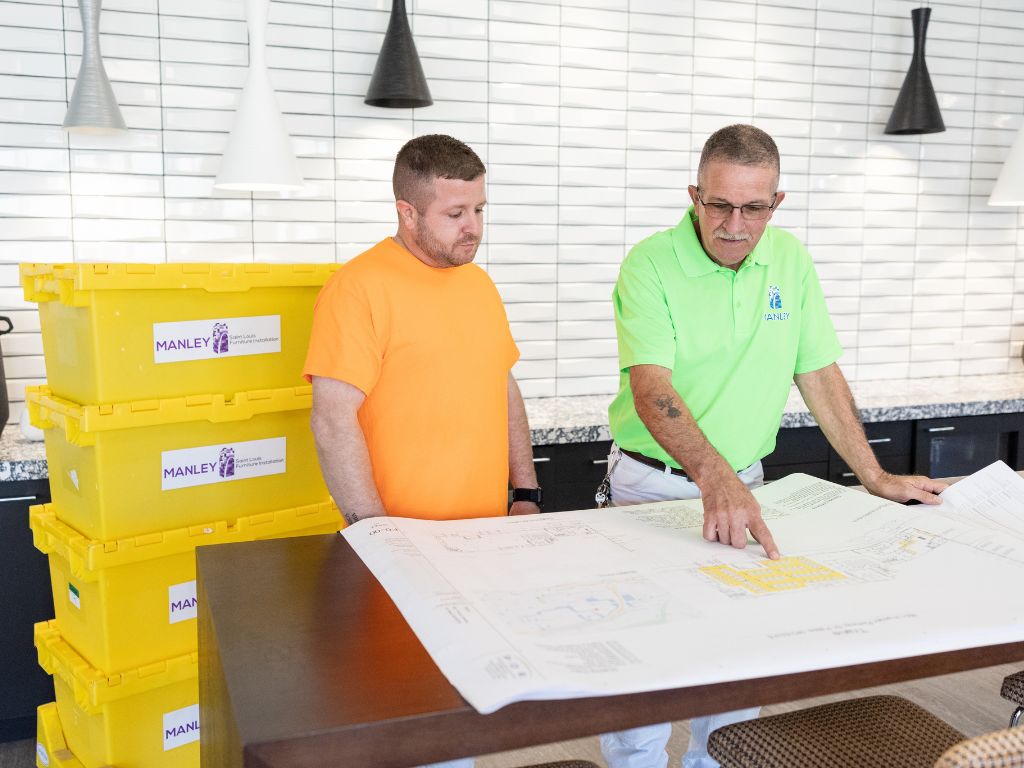
→ Foreman: Leads the jobsite, coordinates workflow, communicates with PMs and GCs, and solves issues before they become delays.
→ 2nd Hand: Supports the foreman by keeping production moving and helping bridge planning with execution.
→ Installer: Focused on accurate, consistent execution within assigned areas of the project.
The interesting part is that not every project needs the same type of leadership.
Some projects require a foreman who is highly client-facing and communication-oriented. Others need someone who thrives in fast-paced environments where urgency and production are the priority.
Matching the right leadership style to the project can have a major impact on communication, efficiency, and overall project flow.
When installation projects feel chaotic, it’s often not the work itself causing problems, it’s the structure behind the work.
One simple example: Project Managers should communicate directly with the foreman whenever possible.
Clear communication and clearly defined roles keep projects moving efficiently from start to finish.