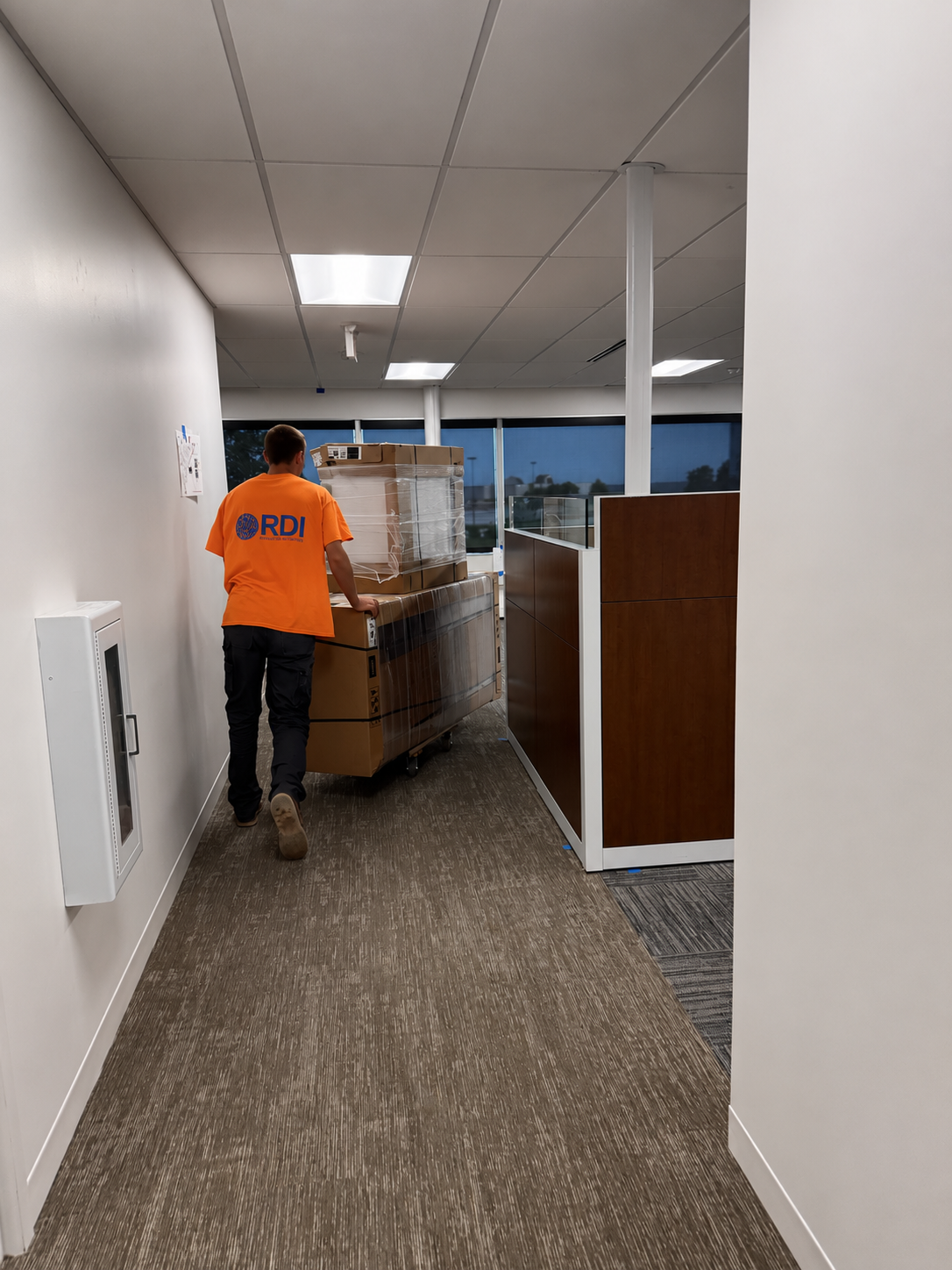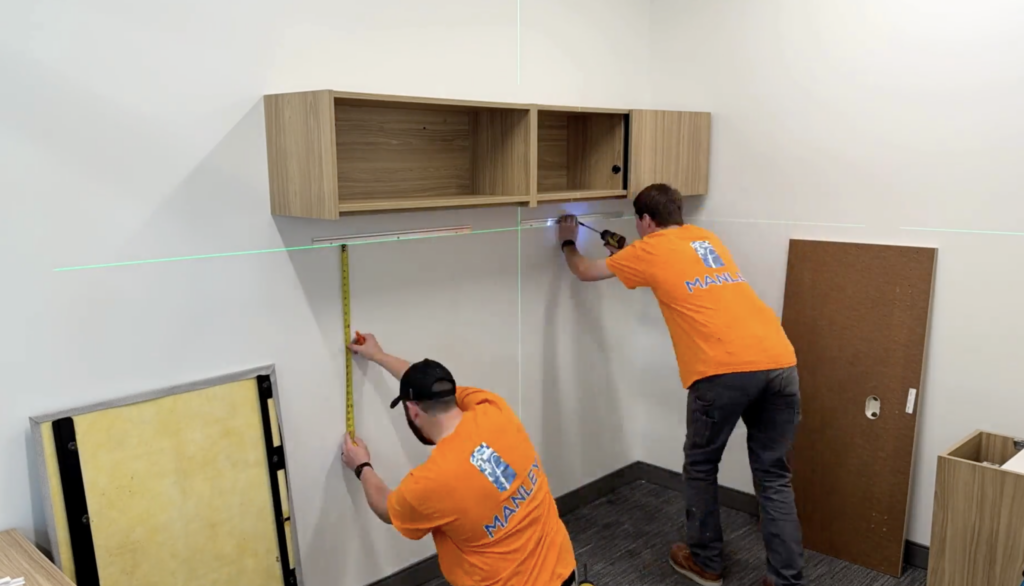
At first glance, many commercial furniture installations look similar. Furniture arrives, crews assemble products, and workspaces begin to take shape.
A healthcare facility doesn’t operate like a corporate headquarters. A school has different scheduling demands than a government office. Even two projects using the same furniture may require completely different installation plans based on the building, timeline, and occupancy.
That’s why experienced commercial installers don’t rely on a one-size-fits-all process, they adapt.
Healthcare: Patient Care Comes First
Healthcare environments require careful coordination to protect patient care while minimizing disruption.
Installations often involve:
- Infection control requirements
- Occupied patient areas
- Noise restrictions
- Strict scheduling windows
- Coordination with hospital staff and contractors
Every decision must balance project progress with the daily operation of the facility.
Education: Working Around the School Calendar
Schools offer unique opportunities and unique challenges.
Many education projects are completed during summer break, spring break, or other limited windows when students and staff are away. This creates compressed schedules where planning and coordination become critical.
Successful education installations require:
- Tight scheduling
- Large furniture deliveries
- Multiple classrooms or buildings
- Coordination with district personnel
- Efficient installation crews working against firm deadlines
Corporate Offices: Business Doesn’t Stop
Many office projects take place while employees continue working.
That means installation teams must minimize disruption while maintaining a professional work environment.
Planning often includes:
- Phased installations
- After-hours or weekend work
- Department-by-department scheduling
- Coordination with facility managers
- Protecting finished spaces throughout the project
Government Facilities: Security and Compliance
Government projects frequently include additional requirements beyond the installation itself.
These may involve:
- Security clearances
- Building access procedures
- Scheduled delivery windows
- Compliance with project specifications
- Coordination with multiple stakeholders
RDI’s team is experienced working in secure government environments, with personnel who already meet clearance requirements for many projects. That preparation helps reduce administrative delays and allows crews to focus on delivering a successful installation from day one.
Preparation becomes just as important as installation.
Industrial & Warehouse Environments
Industrial facilities often combine office furniture installations with active warehouse or manufacturing operations.
These projects require awareness of:
- Equipment movement
- Loading dock coordination
- Employee safety
- Active work zones
- Flexible scheduling around operations
Keeping business moving while work is underway is often one of the project’s biggest priorities.
Experience Shapes the Strategy
No two commercial job sites are identical.
Experienced installation teams understand how to adapt their planning, communication, scheduling, and execution based on the environment, not just the furniture being installed.
That flexibility helps projects stay organized, reduces unexpected challenges, and creates a smoother experience for dealers, contractors, facility managers, and end users alike.
The Right Strategy Starts Before Installation Day
Successful installations begin long before the first piece of furniture is assembled.
By understanding the unique requirements of every project and developing an installation strategy around those needs, RDI helps organizations complete commercial interiors projects with greater efficiency, better communication, and fewer surprises.
Whether we’re installing in a hospital, school, corporate headquarters, government building, or industrial facility, our approach is always the same: understand the environment first, then build the right strategy to support it.