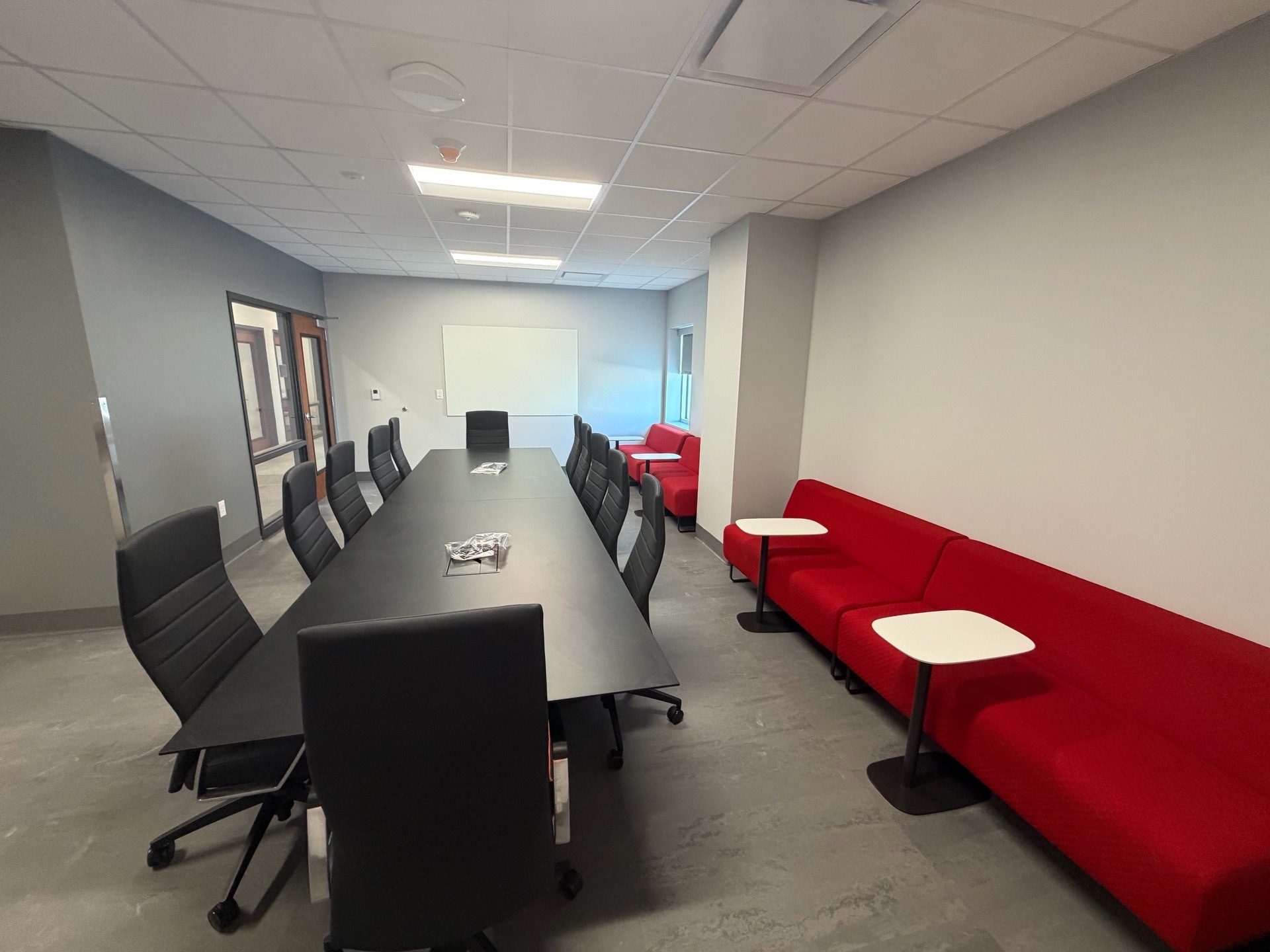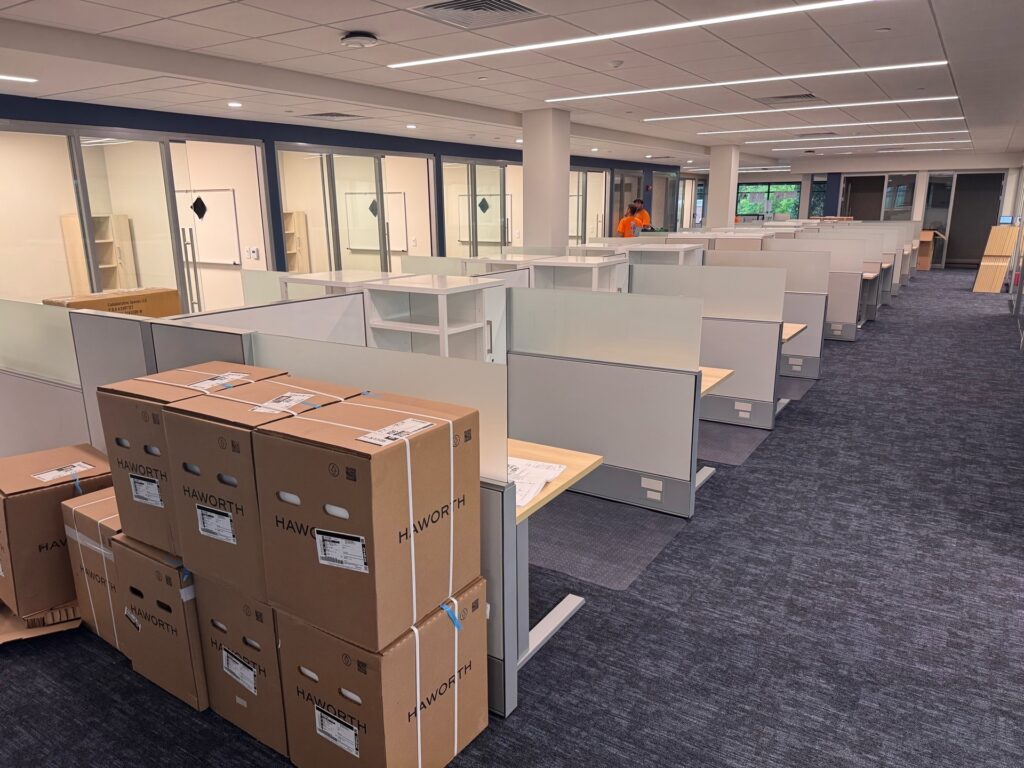
Multi-phased installations are often necessary. Construction schedules shift, furniture arrives in stages, and organizations need to keep employees productive while work continues around them.
The challenge isn’t completing the installation itself. The challenge is keeping every phase organized, coordinated, and moving forward without costly delays.
After more than 50 years in commercial furniture installation, we’ve learned a few things about what separates successful phased projects from the ones that struggle.
1. Plan Beyond Phase One
It’s easy to focus on the immediate next step. The best project managers are already thinking about Phase 2 and Phase 3 before Phase 1 begins.
Ask questions early:
• Where will future deliveries be stored?
• Will site access change between phases?
• Are there upcoming construction milestones that could impact scheduling?
The more you anticipate, the fewer surprises you’ll face later.
2. Treat Warehousing as Part of the Project
One of the biggest mistakes we see is treating warehousing as an afterthought.
On multi-phased installs, furniture often arrives weeks, or even months, before it’s needed. Having a plan for receiving, inspecting, storing, and staging product is critical to keeping future phases on track.
A strong warehousing strategy helps prevent damaged product, missing components, and last-minute scrambling when the next phase begins.
3. Verify Site Readiness Before Every Phase
Just because one phase went smoothly doesn’t mean the next area is ready.
Before each installation, confirm:
• Construction is complete
• Floors and finishes are protected
• Site access is available
• Elevators and loading docks are scheduled
• Security and badging requirements are in place
A quick readiness check can save hours, or days, of delays.
4. Communicate Changes Immediately
Phased projects are constantly evolving.
A revised floor plan, delayed shipment, or construction change may seem minor, but those changes can have a ripple effect across future phases.
The most successful projects are the ones where information flows quickly between project managers, contractors, dealers, and installation teams.
5. Partner with Teams That Understand Phased Work
Multi-phased installations require flexibility.
Schedules change. Deliveries move. Priorities shift.
Working with an experienced installation partner helps ensure those changes don’t derail the project. Teams that understand receiving, warehousing, staging, logistics, and installation can help keep projects moving even when conditions change.
Final Thoughts
No multi-phased project goes exactly according to plan.
The key is having the right processes, communication, and partners in place to adapt when things change.
At RDI, we’ve supported phased workplace projects for decades. From receiving and storage to final installation, our goal is simple: keep every phase organized, coordinated, and moving forward.